
A professional deck differs from a cheap deck because pros prioritize structural integrity, water control, safe connections, and long-term maintenance over the lowest upfront price. A cheaper bid may look similar on paper, but hidden items such as flashing, framing, fasteners, railing systems, and permits can alter the deck’s value.
If long-term performance matters, the professional deck vs cheap deck question goes far beyond sticker shock. A deck is not just a flat surface outside the back door. It is an exposed weather structure attached to a home, carrying people, furniture, stairs, railings, and daily traffic.
What Makes A Professional Deck Different From A Cheap Deck?
A professional deck is planned and built with load calculations, proper flashing, weather-resilient connections, and product choices that match the site. A cheap deck often reduces price by shrinking the scope, lowering material grades, skipping details, or leaving vague allowances in the proposal.
Framing and Structural Design
Professional builders plan beam sizing, ledger attachment, post locations, and stair support around the loads the deck must carry. That keeps the deck feeling solid underfoot and aligned with code items an inspector will review.
Flashing and Water Management
Proper flashing helps stop water from entering the house structure at the ledger and rim joists. Addressing water issues early reduces the risk of rot, hidden damage, and expensive repairs later.
Fasteners and Connectors
Professionals specify coated or stainless fasteners, approved joist hangers, post bases, and structural screws where needed. Correct hardware helps reduce squeaks, loose boards, corrosion, and connection failures.
Finish Details and Outdoor Living Features
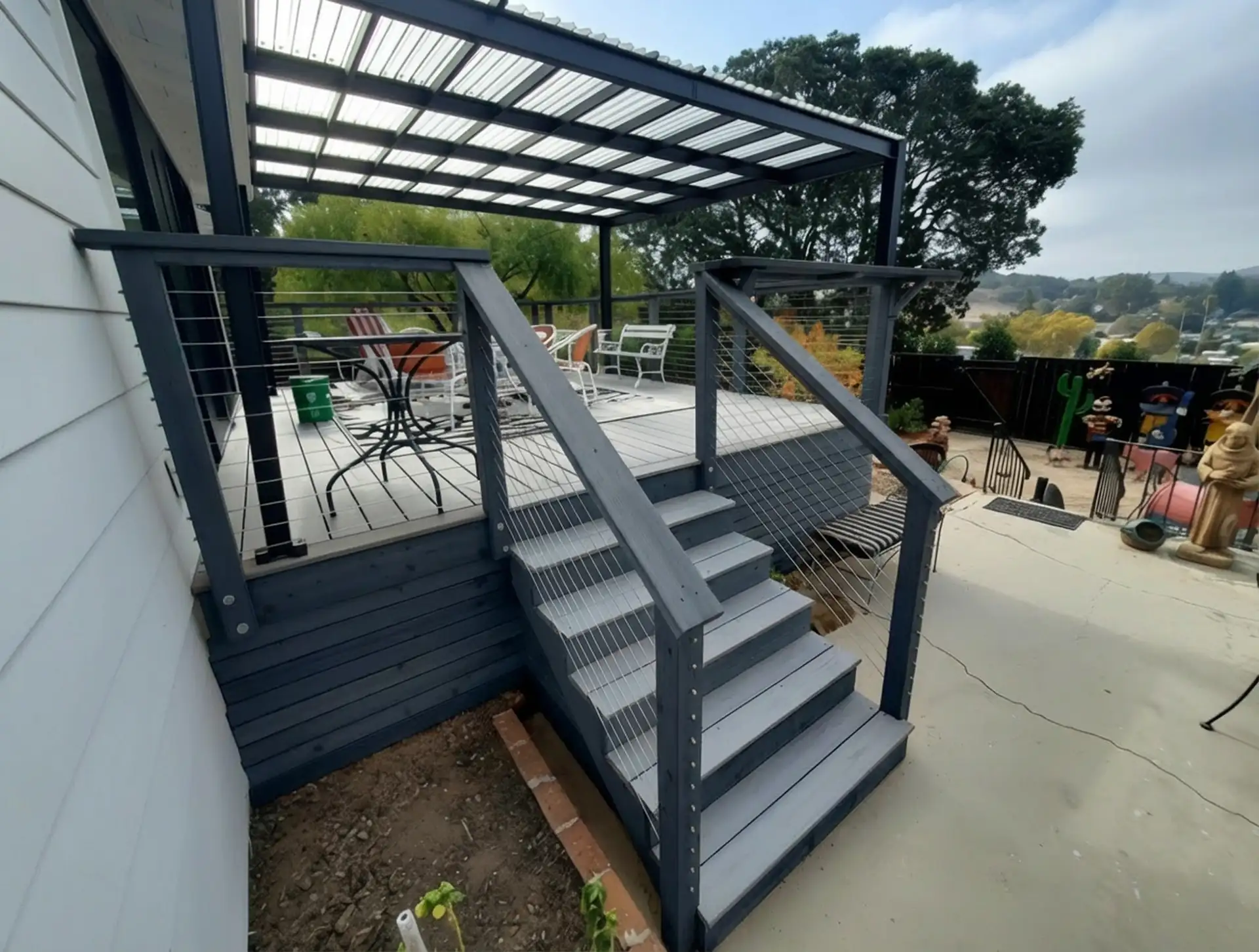
Composite boards, cable railing, built-in benches, lighting, stairs, and covered roof elements all need planning before work begins. Adding items late can cause rework, schedule delays, and cost changes.
Pro Tip: Ask the contractor to explain what is behind the finish boards, not only what the deck will look like after completion.
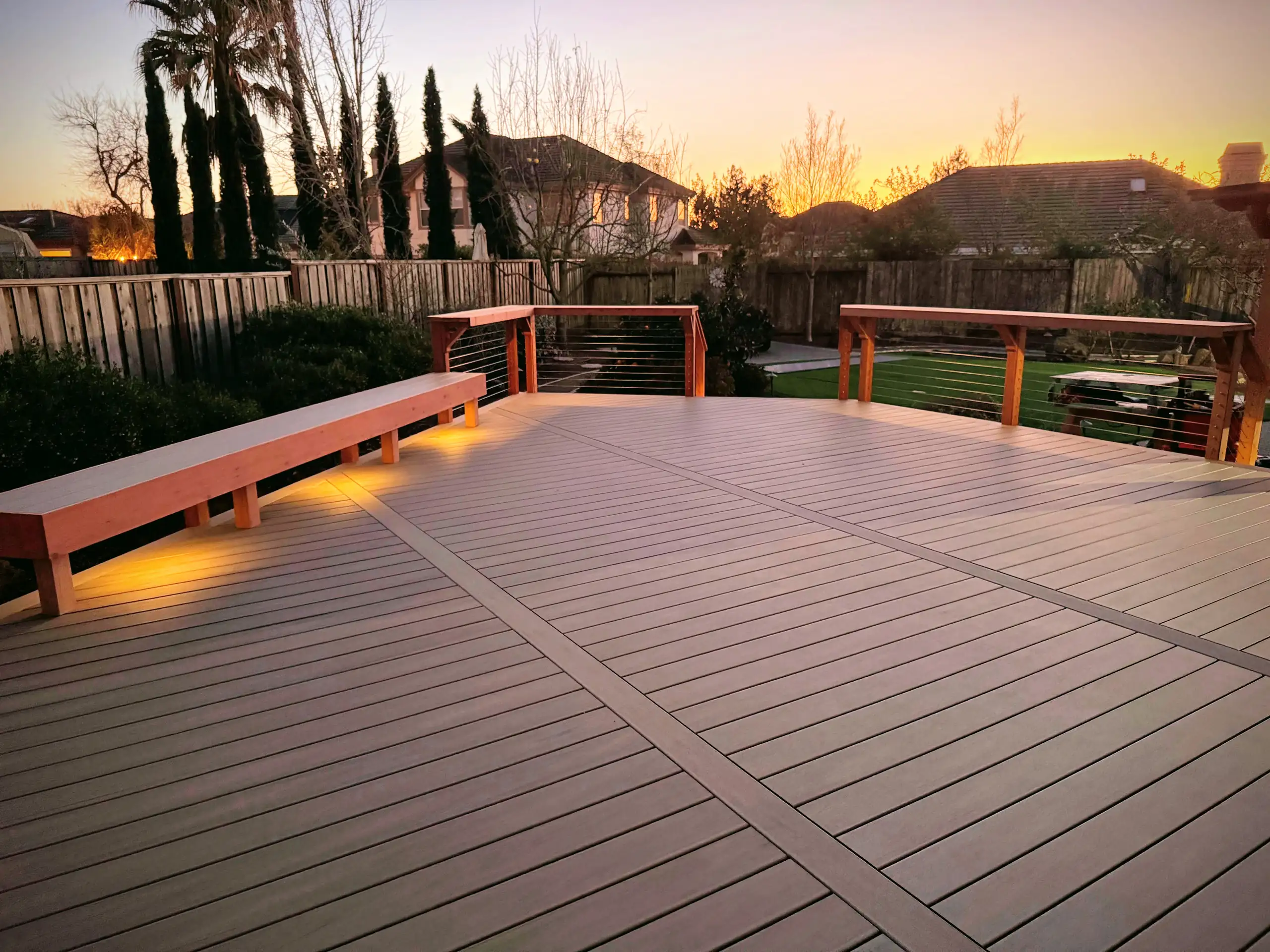
Professional Deck Planning Snapshot
- Structure: Posts, beams, joists, ledger attachment, stairs, and railing loads.
- Water: Flashing, drainage paths, board gaps, and ledger protection.
- Materials: Composite boards, pressure-treated framing, cable railing, lighting, and roof cover options.
- Scope: Permits, inspections, demolition, debris removal, stairs, benches, and finish details.
How Do Materials And Design Affect Deck Longevity And Cost?
Materials and design are two major drivers of deck costs because the deck must withstand sun, rain, temperature fluctuations, foot traffic, furniture, and railing loads. A deck materials comparison shows why the cheapest bid may not mean the lowest total expense over time.
| Deck Item | Cheaper Option Often Cuts | Professional Deck Focus |
|---|---|---|
| Decking Boards | Lower-grade lumber or basic boards with more upkeep | Material selection based on maintenance level, appearance, heat, traffic, and budget |
| Railing | Basic railing with limited detail | Code-aware rail height, post spacing, cable railing tension, and safe stair transitions |
| Outdoor Living Add-Ons | Items priced later or left out of the bid | Bench seating, lighting, covered pergola features, stairs, and patio connections planned early. |
Two recent industry reports support the value conversation. Wood deck is listed at 82.9 percent cost recouped at resale, and composite deck additions are at 68.2 percent cost recouped at resale. Trex’s 2023 Form 10-K shows alternative decking at about 24 percent of North American decking and railing demand by linear feet. That share was 16 percent in 2018.
Board Material Choice
Composite decking resists rot and staining better than standard wood boards, but costs more upfront. Pressure-treated lumber can work well when the homeowner is willing to accept sealing, staining, and additional upkeep.
Substructure Quality
Heavier spans, elevated decks, roof covers, and stair runs require stronger framing. Cutting corners under the surface is one of the fastest ways for a cheap deck to age poorly. It is also one of the most expensive problems to correct once the boards are down.
Railing and Cable Systems
Cable railing offers a clean view and a modern profile, but post spacing, tension, and anchoring are important. Poor installation can lead to sagging cables, loose posts, or code issues.
Lighting and Built-In Features
Under-bench lighting and built-in seating can make a deck more practical, but wiring routes and framing support need early planning. Adding those features after boards are installed can require tear-out work.
What Common Mistakes Should I Avoid When Comparing A Cheap Deck And A Professional Deck?
The biggest mistake is assuming every deck quote includes the same scope. A cheap deck quote may skip permits, omit product details, reduce framing quality, or leave out items that will be added later through change orders.
- Accepting Vague Material Descriptions: Phrases like “standard materials” or “builder grade” do not tell you enough. Ask for board type, railing type, fastener type, flashing method, post base details, and stair materials.
- Ignoring Permit and Inspection Details: Permit and inspection requirements vary by location, deck height, attachment type, and stair design. A professional contractor handles the entire permit process, including applications, inspections, and any required corrections, so the homeowner does not have to manage it alone.
- Comparing Price Without Scope: A deck with composite boards, cable railing, lighting, benches, stairs, and a covered roof section is not the same project as a basic platform deck. Ask each contractor to list exclusions so hidden costs are easier to spot before work starts, not after.
Common Mistake: Many homeowners focus on visible boards and railings but forget that framing, connections, and flashing determine how the deck ages.
Professional Deck Vs Cheap Deck FAQs
Do I always need a permit for a deck?
Permit requirements vary by jurisdiction and often depend on height, attachment type, stairs, railing, and roof cover details. Your contractor should confirm whether a permit is required and who handles the paperwork and inspections.
Will a cheaper deck need more repairs over time?
Cheaper decks often reduce cost through lower-grade materials, fewer details, or weaker water protection. Those savings can turn into higher repair costs when flashing, fasteners, railing posts, or framing begin to fail.
How long does a professionally built deck usually last?
Longevity depends on material selection, installation quality, drainage, sun exposure, and maintenance. Professional details such as correct fasteners, proper framing, and good ventilation usually extend service life. Working with a certified builder, such as a Trex Pro Platinum or TimberTech Platinum contractor, also means the materials carry manufacturer backing. You can review Farrar Construction’s warranties and guarantees for specifics on what is covered.
Can I upgrade a cheap deck later to match a professional deck?
Upgrades are sometimes possible, but repairs can cost more than planning the right scope at the beginning. Structural fixes, railing corrections, and stair changes often require removing finished materials first.
Professional Deck Vs Cheap Deck: Farrar Construction Can Help
Deciding between a professional deck vs a cheap deck gets easier when you compare scope, structure, materials, permits, and finish details side by side. Farrar Construction brings 48 years of experience and more than 1,000 decks built across Sonoma, Napa, and Marin Counties. The team can walk through services, including composite decking, wood-look deck boards, cable railing, built-in benches, stairs, and patios, to clarify the proposal.
You can also review completed work on the Farrar Construction projects page. The project gallery is a helpful place to look at deck layouts, railing styles, covered outdoor areas, and finish selections before planning your own project.
Request a free estimate when you are comparing bids and want a clearer written scope. A good proposal should show what is included, what is excluded, and which details affect price before work starts.
